

AdvertisementReserved advertising space
Samsung Galaxy S22 and Galaxy S22 Plus Camera Specs are Out

Samsung Galaxy S22 series keeps popping up on the interwebs in the form of leaks and public certificates. The official launch is still months away, but the string continues. An industry source just published the detailed specs for the Galaxy S22 and Galaxy S22+ cameras.
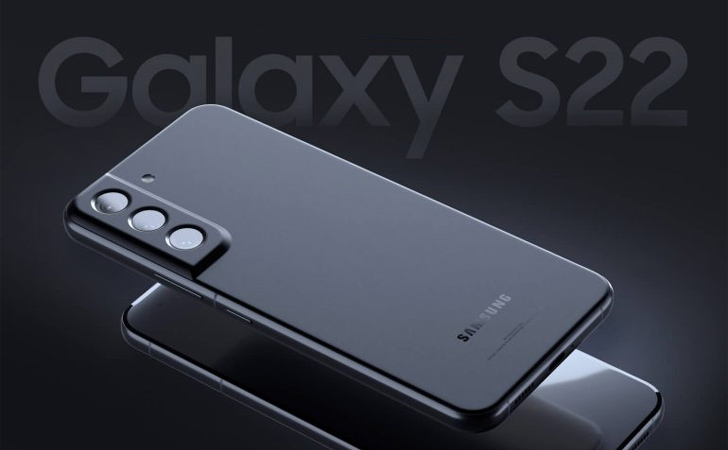
Ice Universe, a reputable phone-leaker based in China, reports that the manufacturer used the brand new 50MP GN5 sensor for the Samsung Galaxy S22 Plus and the standard S22 edition. It’s a 1/1.57” sensor and maxes out at 1.0 µm in pixel size.
In contrast to the S21 series and its 1/1.76” sensor, the S22 has a bigger image sensor. At any rate, the camera will not output 50MP photos but bin them into 12.5MP shots based on 2.0µm superpixels. The aperture in front of this sensor is f/1.8.
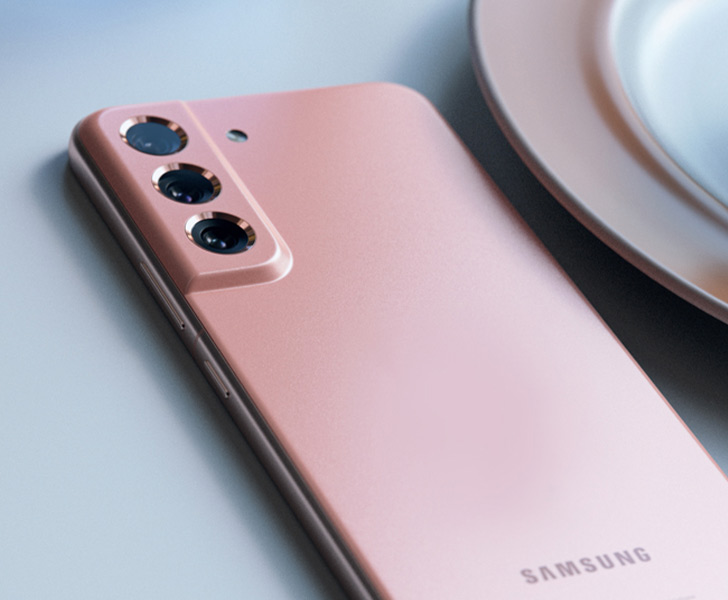
Joining the wide camera on Samsung's latest Galaxy model is a 10MP telephoto lens. It uses a 1/3.94” sensor and provides 3x optical zoom now. The current Galaxy S21 series is limited to digital cropping zoom. Expect optical image stabilization support on both zoom and wide-angle lenses.
Lastly, an ultra-wide shooter rounds off this camera system. It features a 12MP f/2.55” sensor, 1.4µm pixel size, and an aperture size of f/2.2. This camera is inherited straight from the Galaxy S21 series. The same goes for the 10MP front camera on the Galaxy S22 and S22+.
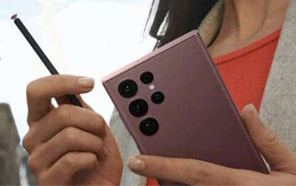
The Galaxy S22 Ultra is still rocking an ultra-high-res 108MP sensor, but it’s new and improved. The 12MP ultra-wide, 10MP 10x periscope and 10MP 3x telephoto cameras complete the lens cluster. Behind the selfie lens, we find a 40MP sensor.


Join the discussion
A place for your take on the story. Every comment is reviewed.
Add your voice.
Sign in to comment and reply.
Your Google name and photo appear with your comments.
Discussion guidelines
Keep it about the story. Links, spam, profanity, abusive language and sexual content are not allowed. All comments are reviewed before they appear publicly.
Loading discussion…
Comments
Newest firstLooking for an earlier discussion? Open the original article.