

AdvertisementReserved advertising space
Samsung Galaxy S24 Ultra Houses a Turbocharged Snapdragon 8 Gen 3

The Korean tech giant is cooking something exciting for its Samsung Galaxy S24 Ultra. Unlike this year, where the chips were single-sourced, next year promises a dual-source approach, and it's got everyone excited.
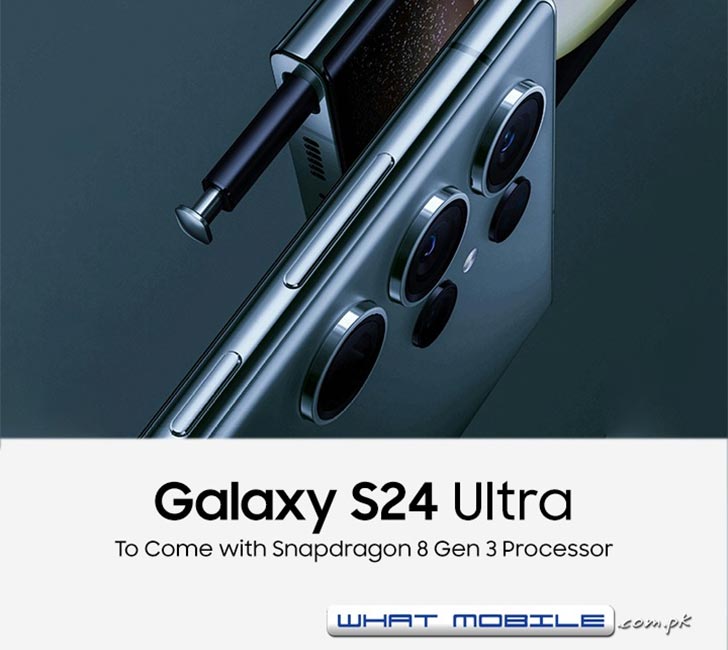
The Galaxy S24 and S24+ allegedly flaunt the “Snapdragon 8 Gen 3 For Galaxy” chip in Canada, China, and the US. For other markets, the Exynos 2400 variants will take the stage. But the spotlight remains on the exclusive version of Snapdragon 8 Gen 3 chip.
The grapevine whispers of SD 8 Gen 3’s performance upgrade just like last year’s CPU. The “For Galaxy” variant annihilates the mainstream stock of the SoC. Here are the numbers corroborating its excellence.

The standout feature of the Snapdragon 8 Gen 3 (Galaxy), found in Samsung's latest 5G model, is its GPU, clocked at a staggering 1,000MHz. For context, that's likely higher than the GPU clock speed of the vanilla Snapdragon 8 Gen 3, which most Android smartphones are adopting.

While Qualcomm spilled the beans on CPU core clock speeds for the Snapdragon 8 Gen 3, the GPU clock speed remained a mystery. But with this exclusive Samsung chip, we're in for a treat, especially in the gaming department. This performance-enhanced will also pave the way to the Z Flip 6 and the Z Fold 6.
Supercharging its chips is Samsung’s forte. Earlier this year, the Galaxy S23 wowed users with the Snapdragon 8 Gen 2 For Galaxy processor, a faster iteration of the standard Snapdragon 8 Gen 2 (in terms of CPU). It's no surprise that Samsung is pushing the boundaries again with the S24 Series.



Join the discussion
A place for your take on the story. Every comment is reviewed.
Add your voice.
Sign in to comment and reply.
Your Google name and photo appear with your comments.
Discussion guidelines
Keep it about the story. Links, spam, profanity, abusive language and sexual content are not allowed. All comments are reviewed before they appear publicly.
Loading discussion…
Comments
Newest firstLooking for an earlier discussion? Open the original article.