
AdvertisementReserved advertising space
Samsung S10 will come with Exynos 9820 chipset equipped with a Dual NPU

According to the latest rumors coming from industry insiders, it seems that Samsung is planning to enter the world of NPU integrated SoC with full force. Samsung's upcoming flagship is most likely to be powered by a new 7nm Exynos 9820 SoC with built-in Dual NPU to challenge the Huawei's Kirin 980.
ALSO READ
Samsung S10 Expected Price and Specifications
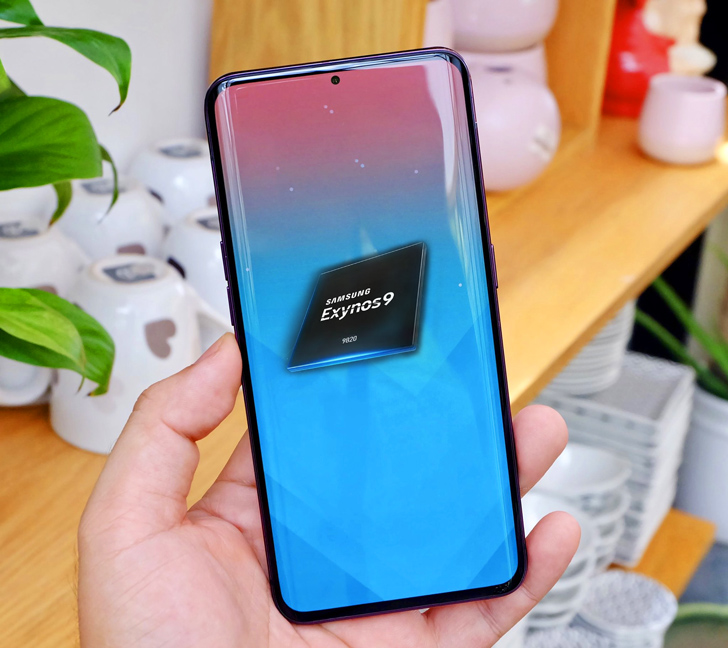
To date, only Apple and Huawei have managed to present their AI solutions with an NPU (Neural Engine Unit). The Chinese company, in particular, has just launched the Mate 20 Pro with 7nm Kirin 980, World's first ever with two NPUs onboard. It seems that Samsung is all geared up to follow the footsteps of its rivals by producing its own 7nm Exynos with Dual NPU that'd see the light on future Galaxies.
Samsung Galaxy S10 will use Samsung's self-developed world's first 7nm EUV dual-core NPU chip on Exynos 9820. One of the features of the AI chip is to enhance the camera and work with the ISP for the Galaxy S10 camera.
— Ice universe (@UniverseIce) November 5, 2018
From previous rumors, it already seemed that the top of the range can come equipped with a Dual NPU solution, But the leaks reported by the Ice Universe actually revealed that it will be a newly made 7nm EUV dual-core NPU chip named Exynos 9820. The photography industry will benefit much from the new Dual NPU trend and above all, this will enhance the working of image signal processors and we'll see much better camera results in the future.
CLICK HERE TO SEE
Samsung Galaxy S10 Expected Price and Specifications

Join the discussion
A place for your take on the story. Every comment is reviewed.
Add your voice.
Sign in to comment and reply.
Your Google name and photo appear with your comments.
Discussion guidelines
Keep it about the story. Links, spam, profanity, abusive language and sexual content are not allowed. All comments are reviewed before they appear publicly.
Loading discussion…
Comments
Newest firstLooking for an earlier discussion? Open the original article.